Why You Didn't Get Government Funding and What to Do About It
Learn why UK government funding applications are rejected and how to improve your chances with a clear business plan, specific budget, eligible scheme and careful application.

Written by
Yasmin Khan

Why You Didn't Get Government Funding and What to Do About It
It's not hard to apply for and receive government funding in the UK for your small business, but there are specific requirements you must meet.
There are a number of factors that can prevent a person from receiving government funding for their business, but the top three are:
- Applying with no business plan
- Applying without knowing what you need funding for
- Applying to a scheme that you are not eligible for
- Applying too early or past the deadline
- Making mistakes on your application
It's smart to seek assistance whenever possible when submitting a funding application to the government.
The applications themselves will often contain the steps and instructions on how to complete the applications correctly, so be sure to give them your full attention. Most funding agencies will have great support.
The following is a list of the five most common reasons why a government grant application is turned down, along with suggestions for avoiding those problems.
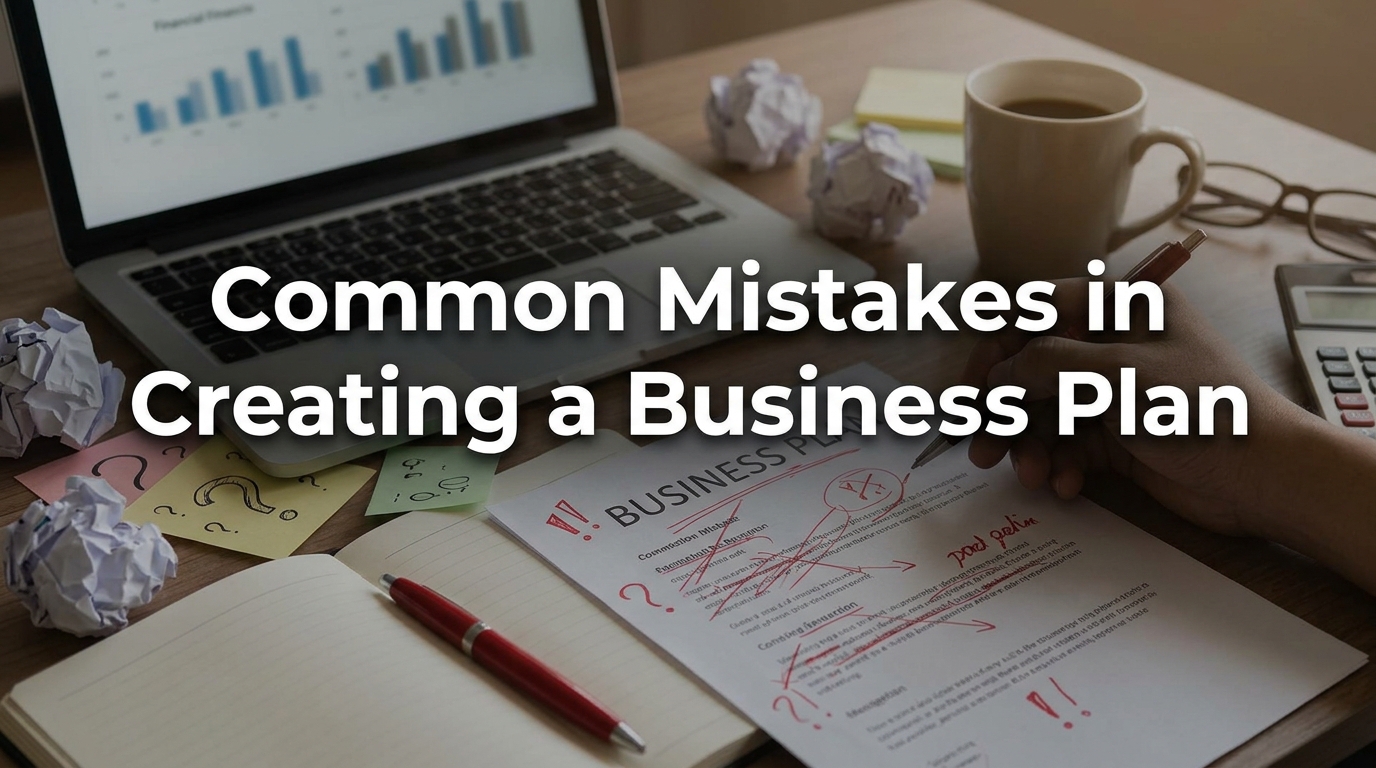
Applying with no business plan
The key to getting the funding you need is a well-thought-out business plan. It's the one and only thing that will guarantee your small business can apply for and receive federal funding.
If you take the time to get your business plan in order, the funding agency will have much more information to work with in deciding whether or not to approve your request for funding.
One of the most common mistakes that business owners make is applying without first developing a business plan. If a business plan is one of the application's key requirements, you can be sure that your application will be rejected and that you will be denied any funding you seek.
While writing a business plan may seem like an insurmountable task, taking the time to do so will help establish your credibility and ensure that your venture receives the attention it deserves.
A business can be done using the Business Plan Builder Tool, to create a plan that is fit for most UK government funding agencies. This is also a tool that is step by step guided, allowing you to simplify the business plan creation process and get it done in no time.
If you don't feel comfortable writing a business plan yourself, you can always hire a professional for help.
Regardless, a business plan is required before submitting a grant application to the government.
Applying without knowing what you need funding for
It's bad to apply without a business plan, but it's much worse to spend a lot of time and effort creating a business plan and making sure it has all the right information but then forget to explain to a funding agency why and how much money you need.
If your plan or funding application doesn't specify why you need money, no one will give you any. Your requests for financial aid from the government will be turned down if you do this.
How to properly describe your budget needs.
Ensure you ask for the right amount of funding based on your initial 1 to 6 months of costs that you are unable to cover on your own.
 Experts available today
Talk to a real funding expert — not a bot
A real person reviews your business on the call and tells you which grants you qualify for and how much you could get.
- Your eligible grants, answered directly
- How much funding you can apply for
- Programmes open right now
- Break down your funding needs to the specifics of what you need funding for. The more specific you are in terms of what you need the funds for, the better your chances are of getting the funds you need.
- Remember to not ask for a lump sum of funding; but instead, focus your efforts on tha breakdown which will also help you obtain funds from multiple funding options.
Lack of specificity in a funding request is a common reason for rejection. The amount needed is not specified, and neither is a detailed explanation of how the money would be spent. If your explanation lacks sufficient detail, you will likely be denied the money.
Applying to a scheme that you are not eligible for
Next, many business owners make the mistake of applying to a programme for which they do not qualify. This is similar to not providing a business plan or applying with a correct explanation of your funding needs.
More than 1,500 grant and loan opportunities exist. Not everyone will benefit from a programme, and many of them have one of three main goals:
- Your location
- Your industry
- Your specific needs
Make sure the programmes you apply to are a good fit for you before submitting an application.
When looking for funding, you should verify that the programme you're interested in is offered in your area (typically a city or region), that it covers your industry (remember that a business may fall under more than one industry), and that the requested breakdown of costs is something that the funding agency can actually provide.
Carefully reading the criteria and requirements to avoid applying to the wrong programme, which could result in a denial, is essential when applying for government funding because funding agencies are specific; they are not all interconnected.
Applying too early or past the deadline
Another common blunder with funding applications is submitting them too early, before the deadline, or too late, after the deadline has passed.
Remember that some funding agencies may have strict deadlines while others may be more flexible.
There are two kinds of deadlines: the date applications can be submitted (the opening date) and the date on which a programme will be closed (the end date).
There is a risk that your requests for financial support will be overlooked if you submit them before the project's official launch date. Further, your application will not be received after the deadline and you will be automatically disqualified.
Mistakes on your application
Last but not least, a common cause of funding application rejection is typos or other errors on the application itself.
These are common misunderstandings, and people often fail to read the requirements. Funding requests are routinely rejected due to any of the aforementioned issues.
Questions of how to apply, when to apply, what to include in your application, and what to leave out are all relevant. Before starting to fill out the application, make sure you've read it completely.
Asking for assistance is always a good idea. Remember that getting funded is the end goal, and take every precaution to increase the likelihood that your funding requests will be approved.
About Yasmin Khan
Yasmin is a business consultant at UK Startups who provides practical guidance to help startups build competitive strategies and manage business risk.