Why is a Business Plan required?
Learn why a business plan matters for setting goals, attracting investment and assessing risks, and how regular reviews can help your UK business grow.

Written by
Gurpreet Singh
Why is a Business Plan required?
As an entrepreneur or business owner, you may have heard the term "business plan" thrown around a lot. But what exactly is a business plan, and why is it so important?
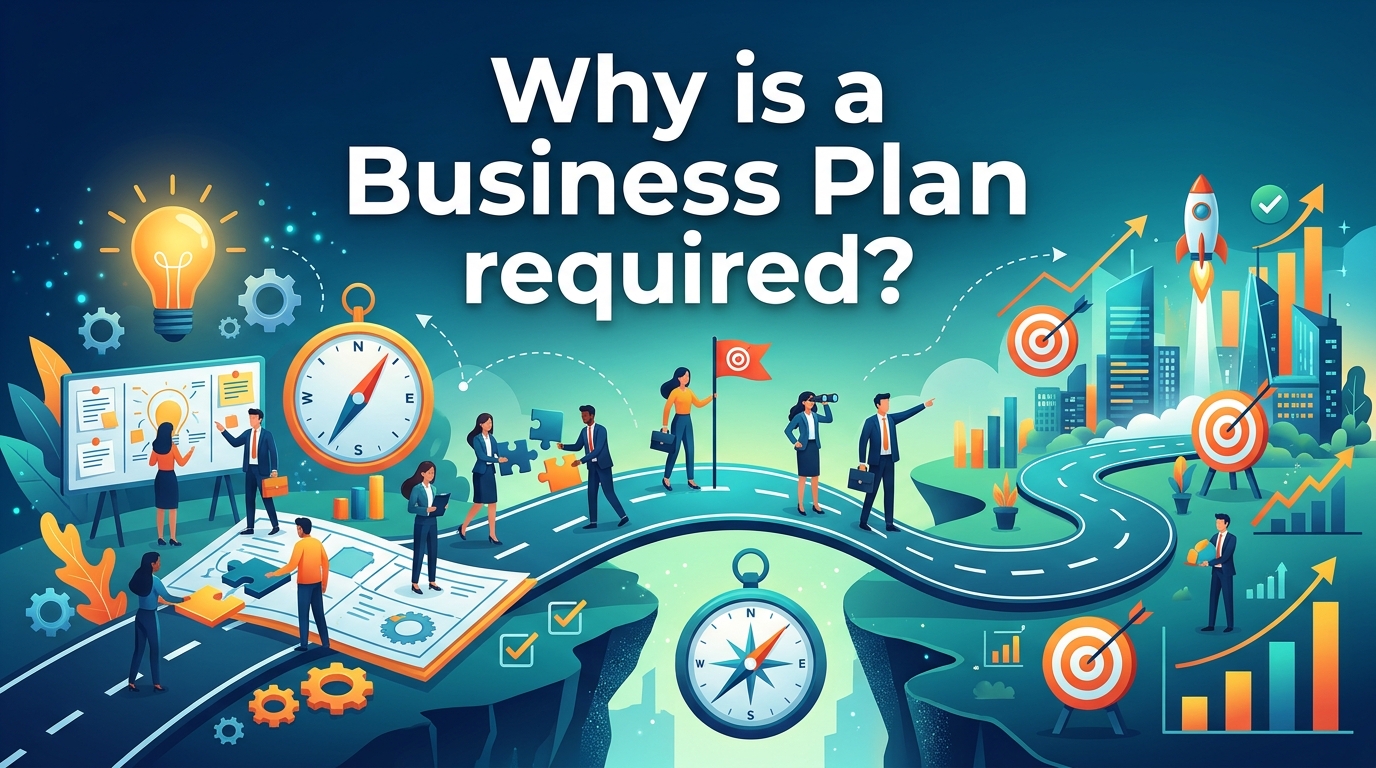
A business plan is a written document that outlines your business goals, strategies, and plans for achieving them. It includes details such as your marketing and sales plans, financial projections, and operational procedures. A well-written business plan can serve as a roadmap for your business, providing direction and clarity for your team, investors, and potential partners.
But why is a business plan necessary? For starters, it can serve as a communication tool between you and investors or lenders. It shows that you have thought through your business idea and have a solid plan for making it successful. It can also help you secure funding or partnerships by outlining the potential profitability and growth potential of your business.
A business plan can also provide structure and focus for your team. It sets clear goals and expectations for everyone involved, and can help you stay on track and make informed decisions. Moreover, it can help you identify potential challenges and opportunities so that you can be proactive in addressing them.
In addition, a business plan can help you evaluate the feasibility and sustainability of your business idea. It forces you to think through critical details such as your target market, competition, and financial projections. By doing so, you can identify potential weaknesses or areas for improvement before launching your business.
In summary, a business plan is a crucial tool for any entrepreneur or business owner. It helps you communicate your vision to others, provides structure and focus for your team, and helps you evaluate the feasibility and sustainability of your business idea. So, whether you're just starting out or looking to take your business to the next level, a well-written business plan is essential.
Below are the points we will be looking at as we discuss Why is a Business Plan required?
- "The Importance of a Business Plan: A Roadmap to Success"
- "Why Investors and Lenders Require a Business Plan"
- "Using a Business Plan to Set Clear Goals and Expectations"
- "Identifying Potential Challenges and Opportunities in Your Business Plan"
- "The Role of a Business Plan in Evaluating Feasibility and Sustainability"
- "How a Business Plan Can Help Take Your Business to the Next Level"
The Importance of a Business Plan: A Roadmap to Success
A business plan is a strategic tool that provides a roadmap to success for entrepreneurs. It serves as a guide to achieving the set goals of a business and outlines the steps that should be taken to achieve success. The business plan also highlights the various functions within the organisation, the objectives of the business, the target market, and the competitive landscape.
A well-prepared business plan helps to identify areas where additional resources may be required, and it is a useful tool in securing funding from investors and lenders. It is a dynamic document that allows for adjustments as business conditions, goals, or priorities change.
Why Investors and Lenders Require a Business Plan
Investors and lenders require a business plan because it reassures them that the entrepreneur has thought through the business idea, understands the market, and has a plan to achieve success. A solid business plan provides the necessary information to stakeholders that they need to evaluate the feasibility of investing in the business.
 Experts available today
Talk to a real funding expert — not a bot
A real person reviews your business on the call and tells you which grants you qualify for and how much you could get.
- Your eligible grants, answered directly
- How much funding you can apply for
- Programmes open right now
A business plan highlights the long-term goals, marketing and sales strategies, and potential risks and opportunities that the business faces. Lenders need this information to determine the business's financial risk and the potential for repayment of any loans.
Using a Business Plan to Set Clear Goals and Expectations
A business plan helps to set clear goals and expectations for the business. The document outlines the company's mission and vision and provides a roadmap for the team to follow. This roadmap includes operational, financial, and marketing plans.
The business plan helps management to evaluate performance, as they can compare the actual results of operations to the planned objectives. This comparison helps to identify areas of success and those that require adjustment.
Identifying Potential Challenges and Opportunities in Your Business Plan
A well-prepared business plan identifies potential challenges and opportunities for a business. Through careful analysis of the market and competition, the business plan highlights potential risks and opportunities. Understanding the potential challenges allows for the development of contingency plans to mitigate the risks.
The business plan also highlights opportunities for growth and expansion to increase market share, expand product lines, or enter new markets.
The Role of a Business Plan in Evaluating Feasibility and Sustainability
A business plan evaluates the feasibility and sustainability of a business idea. The document helps to determine if the business can generate enough revenue to cover expenses and pay back any investment or loans.
By evaluating the market and competition, the business plan provides an understanding of the potential demand and viability of the business idea. It also identifies potential operational, financial, or marketing issues that could impact the viability of the business.
How a Business Plan Can Help Take Your Business to the Next Level
A business plan, when reviewed and updated regularly, helps management to identify areas where the business can improve. This could include marketing strategies, operational efficiencies, or financial management.
The business plan serves as a tool to communicate the business's vision and goals to stakeholders, employees, and customers. A well-prepared business plan helps to ensure that all members of a team are working towards a common goal, and it provides direction and focus for the business.
In conclusion, a business plan is a crucial component of any successful business. It serves as a roadmap to achieving the set objectives while identifying potential risks and opportunities. Investors and lenders require a business plan to evaluate the feasibility of a business idea and its potential for success. A business plan also helps management to set clear goals and expectations while identifying areas that require improvement. By regularly reviewing and updating the plan, businesses can adapt to changes in the market and take their operations to the next level. Ultimately, a well-prepared business plan is a powerful tool that can help businesses achieve sustainable growth and success.
Helpful resources to get you going in the right direction with your own business:
Use the Business Plan Builder Tool to develop your own business plan. And use the Funding Database to find all government funding options for your small business.
About Gurpreet Singh
Gurpreet is a business tech expert at UK Startups who helps companies leverage modern digital tools, automation, and software solutions to scale efficiently.