Understanding Your Options: A Guide to Different Types of Small Business Loans
Learn the different types of small business loans in Canada, from government-backed and bank loans to alternative funding and invoice factoring options.
Written by
Ahmed Khan
Understanding Your Options: A Guide to Different Types of Small Business Loans
Are you a small business owner in Canada looking for funding options to grow your business? If so, it can be overwhelming to navigate the various types of small business loans available. That's why we've created this guide to help you understand your options and choose the best financing option for your business. From government-backed loans to factoring invoices, we'll cover it all. Keep reading to learn more about how you can secure the funding you need to take your business to the next level.
Below are the points we will be looking at as we discuss understanding your options for small business loans.
- Introduction: Understanding Your Options for Small Business Loans
- Exploring Government-Backed Small Business Loans
- Securing Financing through Traditional Lenders
- Leveraging Alternative Funding Options for Your Business
- Factoring Invoices: A Unique Financing Solution
- Choosing the Best Loan for Your Small Business: Factors to Consider
1. Introduction: Understanding Your Options for Small Business Loans
Small business owners often face the challenge of financing their operations. Whether it is for expansion, inventory purchase, or covering daily expenses, having access to the right kind of funding is essential. Knowing your options is the first step in securing financing for your business needs. From traditional lenders to alternative funding options, there are various ways to obtain funding for small businesses. This article will explore some of the most common financing options available to small business owners.
2. Exploring Government-Backed Small Business Loans
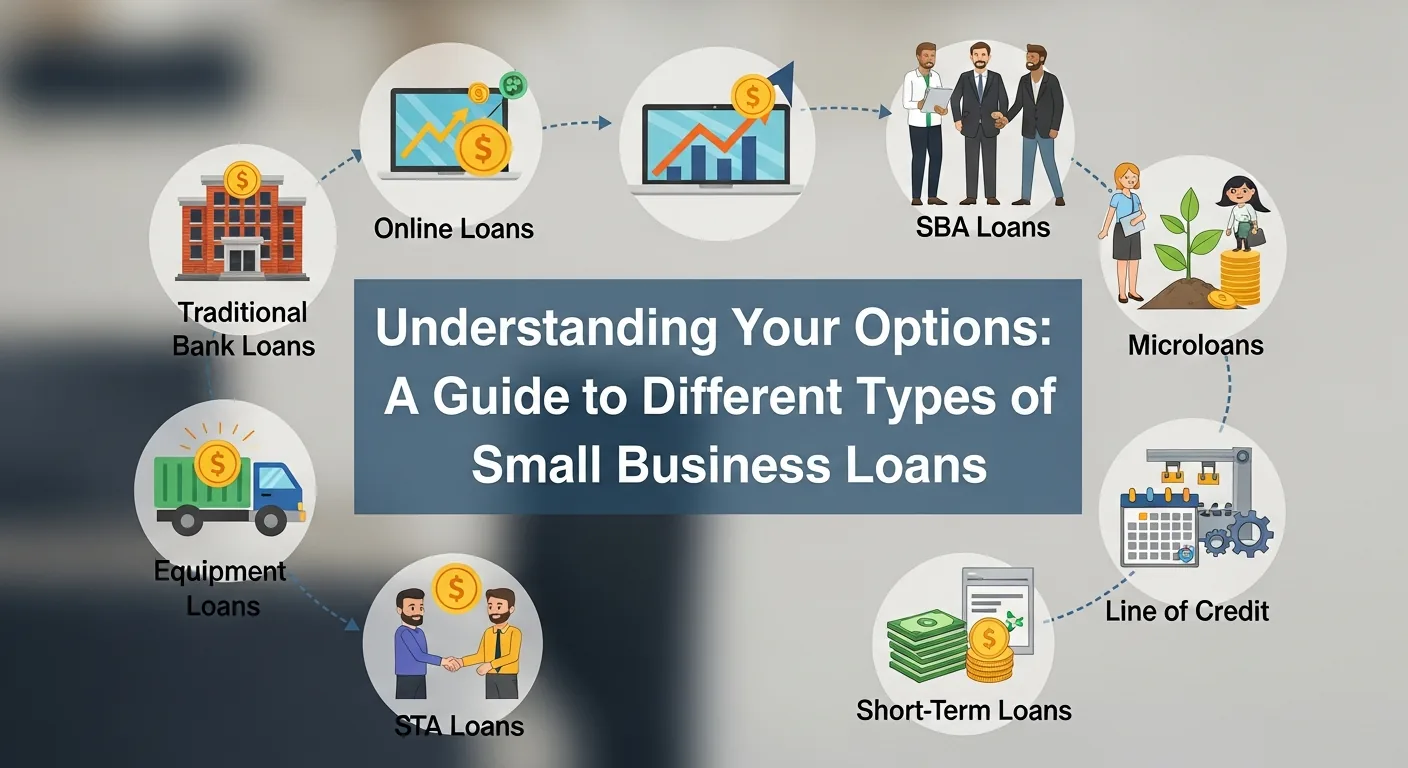
One funding option for small businesses is government-backed loans. These loans can be beneficial because they often offer more favorable rates and terms than traditional lenders. The Small Business Administration (SBA) offers a wide range of loan programs designed to meet the specific needs of small businesses. SBA loans can be used for a variety of purposes, including debt consolidation, working capital, equipment purchase, and real estate acquisition. It is worth exploring these loan programs if you are a small business owner looking for a reliable funding source.
3. Securing Financing through Traditional Lenders
Traditional lenders, such as banks and credit unions, are often the first place that small business owners look for funding. These lenders offer a range of loan products, such as lines of credit, term loans, and commercial mortgages. However, traditional lenders can be more selective in their lending criteria, requiring strong credit scores, collateral, and a solid business plan. Securing financing through traditional lenders can be a rigorous process, but it is worth considering if you have a well-established business and a strong credit history.
 Experts available today
Talk to a real funding expert — not a bot
A real person reviews your business on the call and tells you which grants you qualify for and how much you could get.
- Your eligible grants, answered directly
- How much funding you can apply for
- Programmes open right now
4. Leveraging Alternative Funding Options for Your Business
Alternative funding options have become increasingly popular in recent years. These include crowdfunding, peer-to-peer lending, and merchant cash advances. Crowdfunding allows entrepreneurs to bypass traditional funding sources and raise capital from a large number of investors through social media or other online platforms. Peer-to-peer lending connects borrowers directly with individual investors who are willing to lend money. Merchant cash advances provide quick access to cash by advancing funds based on future credit card sales. These alternative funding options can be a great solution for small businesses with minimal credit history or collateral.
5. Factoring Invoices: A Unique Financing Solution
Another financing option for small businesses is factoring invoices. Factoring is where a company sells its outstanding invoices to a factoring company at a discount. The factoring company then assumes the risk of collecting on the invoices and gives the business access to the funds immediately. Factoring can be an excellent solution for businesses that need to improve their cash flow or are struggling to collect on overdue invoices.
6. Choosing the Best Loan for Your Small Business: Factors to Consider
When choosing the best loan for your small business, it is essential to consider several factors. These include the size of the loan, the repayment terms, the interest rate, and any additional fees. You should also consider the lender's reputation, customer service, and the application process. It is also critical to assess your business's financial situation and borrowing needs thoroughly. Knowing your options and being well-informed about your business's financial situation will help you choose the best financing solution for your needs.
Conclusion
In conclusion, financing a small business can be challenging, but there are several options available to entrepreneurs. Government-backed loans, traditional lenders, alternative funding options, factoring invoices, and other unconventional methods can all be viable options depending on your business needs. When considering your options, it is essential to consider factors such as interest rates, repayment terms, additional fees, and the lender's reputation. Ultimately, being well-informed about your business's financial situation and exploring all of your options will help you make the best decision for your small business.
About Ahmed Khan