The Pros and Cons of Small Business Loans
Explore the pros and cons of small business loans in Canada, including loan types, eligibility, lenders, risks, and smart alternatives for growth.
Written by
Oliver Brown
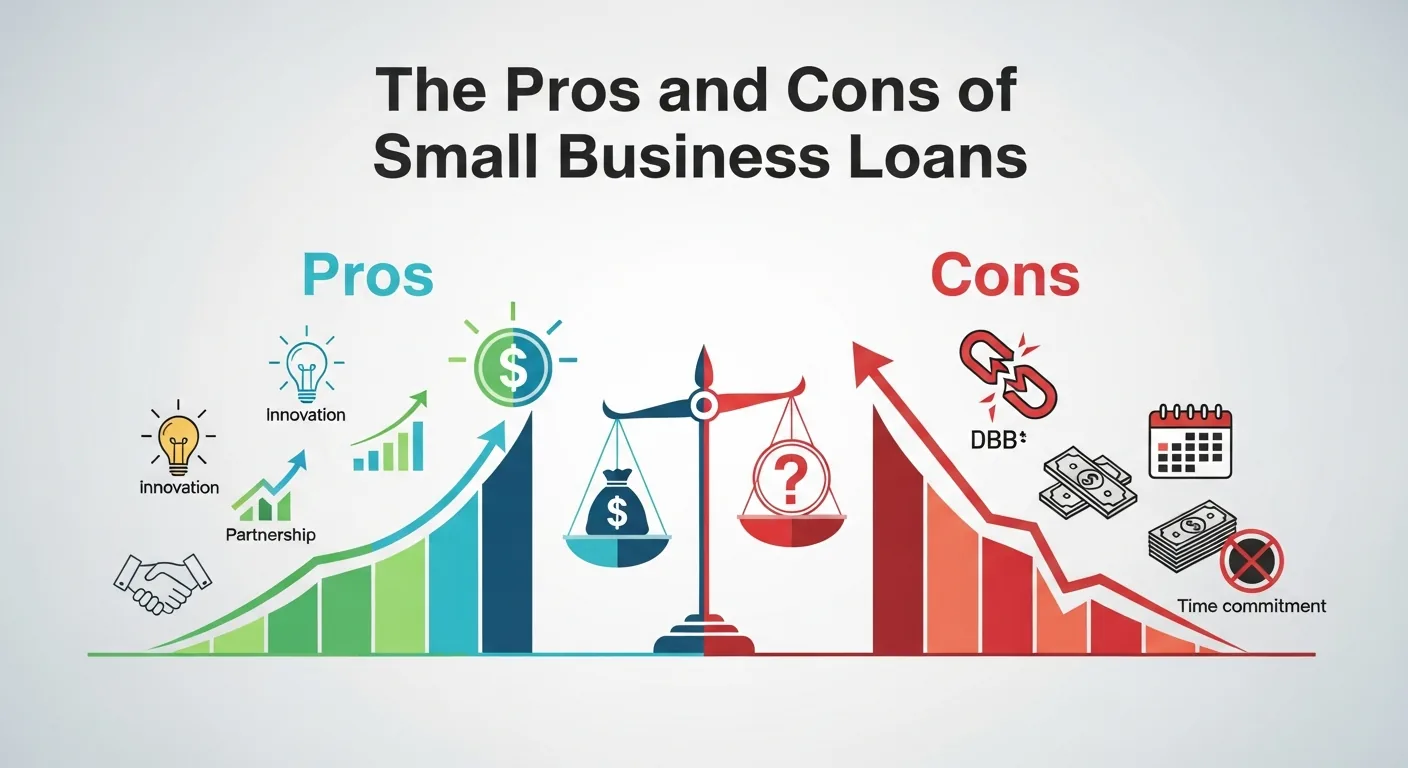
The Pros and Cons of Small Business Loans in Canada
Small businesses are the backbone of Canada's economy, and many entrepreneurs depend on loans to start a new venture or to grow an existing one. While small business loans can be an excellent source of financing, they also come with their challenges.
In this blog, we will be exploring the pros and cons of small business loans in Canada. We'll discuss topics such as different loan types, eligibility criteria, and loan repayment options. Whether you're a new business owner looking to secure a loan or an experienced entrepreneur interested in exploring your options, this blog will help you make an informed decision about financing your business. So, let's dive in to discover the advantages and disadvantages of small business loans in Canada.
Topics Covered
Below are the points we will be looking at as we discuss the pros and cons of small business loans:
- Understanding the Different Types of Small Business Loans
- How to Determine Your Eligibility for a Small Business Loan
- Pros and Cons of Securing a Small Business Loan from a Bank or Alternative Lender
- The Advantages of Small Business Loans for Expanding Your Business
- Risks Associated with Small Business Loans and How to Mitigate Them
- Exploring Alternatives to Small Business Loans for Financing Your Business Growth
1. Understanding the Different Types of Small Business Loans
Small business loans come in different types depending on the lender, repayment terms, interest rate, and purpose. The most common types of small business loans are term loans, lines of credit, equipment loans, and SBA loans. Term loans provide a lump sum for a specific purpose and are repaid over a certain period, usually with fixed interest rates. Lines of credit are revolving loans that allow you to withdraw funds up to a certain amount at any time. Equipment loans help finance equipment purchases while SBA loans are government-backed loans provided by banks and credit unions.
2. How to Determine Your Eligibility for a Small Business Loan
To determine your eligibility for a small business loan, lenders consider factors such as your credit score, business history, revenue, and debt-to-income ratio. You must have a good credit score, a profitable business, and a sound financial plan to increase your chances of approval. You should also prepare accurate financial statements, a detailed business plan, and a list of collateral to show the lender that you can repay the loan.
3. Pros and Cons of Securing a Small Business Loan from a Bank or Alternative Lender
Banks are a traditional source of small business loans, but alternative lenders have emerged in recent years. Banks offer lower interest rates and longer repayment terms, but they have strict eligibility requirements and a lengthy application process. Alternative lenders have more relaxed eligibility and faster approval rates, but they charge higher interest rates and shorter repayment terms. You should evaluate both options and choose the one that best suits your financial needs and goals.
 Experts available today
Talk to a real funding expert — not a bot
A real person reviews your business on the call and tells you which grants you qualify for and how much you could get.
- Your eligible grants, answered directly
- How much funding you can apply for
- Programmes open right now
4. The Advantages of Small Business Loans for Expanding Your Business
Small business loans can be instrumental in expanding your business by providing the necessary funding to build inventory, buy equipment, hire employees, and cover operating expenses. Small business loans help to increase cash flow, improve credit score, and build a strong financial history. They also help to establish a positive relationship with lenders that can help you secure future financing.
5. Risks Associated with Small Business Loans and How to Mitigate Them
Small business loans come with risks such as default, bankruptcy, and loss of collateral. To mitigate these risks, you should have a sound business plan, accurately project your future revenue, match the loan type to your purpose, and carefully study the loan terms and interest rates. You should also avoid over-borrowing, manage cash flow effectively, and have a backup plan in case of unexpected financial setbacks.
6. Exploring Alternatives to Small Business Loans for Financing Your Business Growth
Small business loans are not the only source of financing available for business growth. You can explore alternative financing options such as grants, crowdfunding, investors, and personal savings. Grants are non-repayable funds that support specific types of businesses or activities. Crowdfunding involves raising funds from multiple individuals usually online. Investors provide funding in exchange for a percentage of ownership in the business. Personal savings involve using your own personal funds to finance business growth. You should weigh the advantages and disadvantages of each option and choose the one that best suits your financial needs and goals.
Conclusion
In conclusion, small business loans are a viable option for business owners looking to finance their growth plans. Understanding the different types of loans, determining eligibility, and evaluating the pros and cons of various lenders are essential steps to securing the right loan. Small business loans come with advantages and risks, and it is important to mitigate the risks by having a sound business plan and managing cash flow effectively. Alternative financing options are also available for business owners who prefer not to take on debt. As with any financial decision, careful consideration and planning are key to ensuring success in securing funding for business growth.
About Oliver Brown