5 Expensive Mistakes Startups Should Avoid in Their Business Plans
Learn how startups can avoid costly business plan mistakes, from weak market research and budgeting to legal oversights and the risks of failing to plan for setbacks.

Written by
Sophie Evans
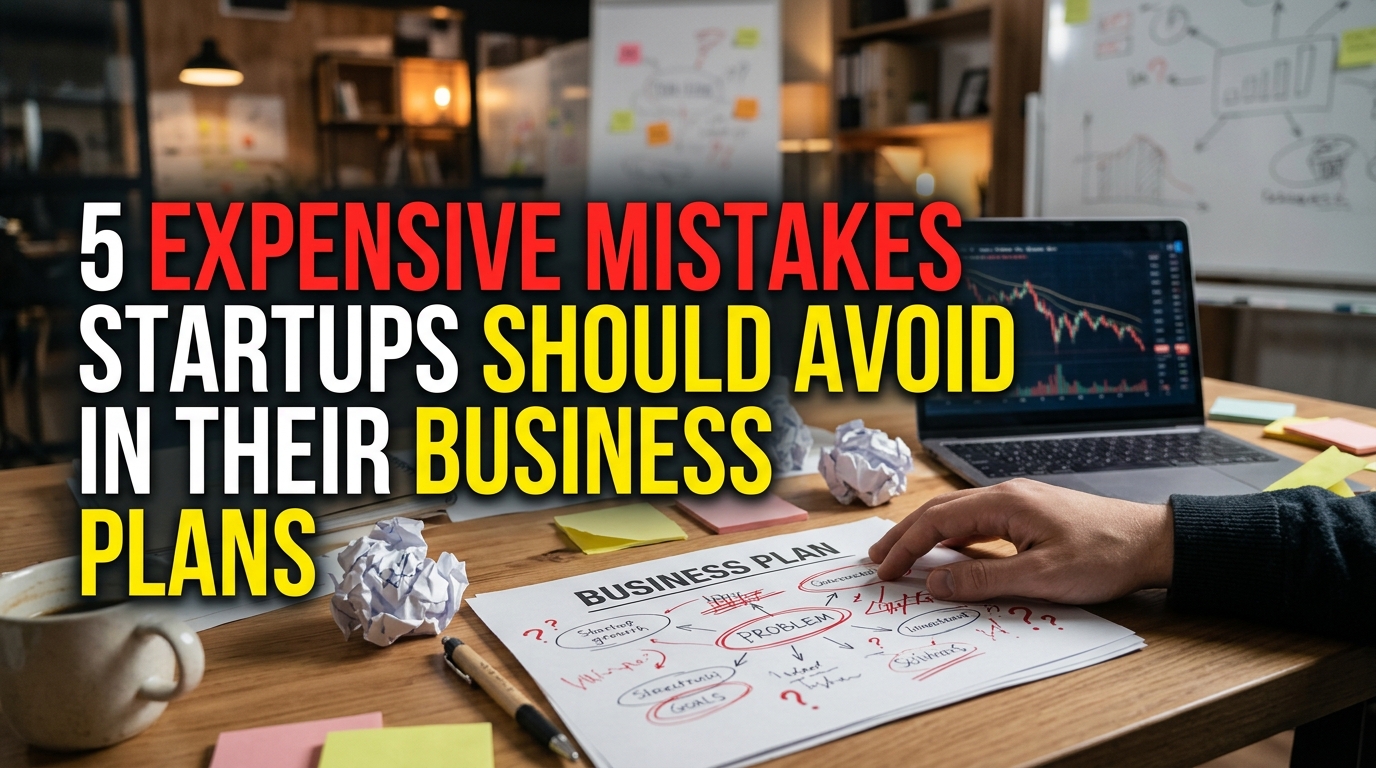
5 Expensive Mistakes Startups Should Avoid in Their Business Plans
Starting a business can be an exciting, but risky venture, especially for startups. Many new entrepreneurs fall into the trap of making costly mistakes when putting together their business plans. These mistakes can result in lost time, money, and even the failure of the business. To avoid this outcome, we've compiled a list of 5 expensive mistakes startups should avoid in their business plans.
1. Failing to conduct market research
Before investing time, effort, and money into a new business, it's essential to conduct thorough market research. This includes analysing the competitors, identifying the target audience, and understanding the market trends. Failing to do so can lead to launching a product or service that doesn't meet the market's needs or does not have a solid customer base, ultimately leading to a failed business idea.
2. Underestimating expenses
New business owners often make the mistake of underestimating the costs of starting and running a business. It's important to budget for not only the start-up costs of a business but also the ongoing expenses, such as rent, utilities, marketing, and hiring employees. Without proper budgeting and financial planning, a startup can quickly run out of cash and fail.
3. Lack of differentiation
In today's highly competitive marketplace, it's crucial to differentiate your business from your competitors. Startups must have a unique selling proposition that sets them apart from the rest. Without differentiation, your business might struggle to attract customers and fail to establish a clear brand identity.
4. Ignoring legal requirements
Legal compliances and regulations are crucial for any business, but startups often overlook the importance of adhering to them. Not meeting legal requirements can result in hefty fines, legal issues, and even losing the business. It's essential to research and understand all legal requirements for your business and ensure that you meet them.
5. Relying too heavily on one client or supplier
Depending too heavily on one client or supplier can be costly for a startup. If a startup relies on only one client, the loss of that client can mean the end of the business. Similarly, relying on one supplier can lead to supply chain disruptions or sudden price increases, negatively impacting the business's operations.
By avoiding these 5 expensive mistakes in their business plans, startups can increase their chances of success and make their journey to becoming a thriving business owner smoother and less daunting.
Below are the points we will be looking at as we discuss 5 Expensive Mistakes Startups Should Avoid in Their Business Plans
6. Lack of contingency planning
No matter how well you plan, unexpected events can happen, and startups must be prepared for them. Not having contingency plans for unforeseen events can lead to disastrous consequences, such as financial losses, operational disruptions, or even bankruptcy. It's essential to anticipate potential risks and have plans in place to mitigate them, ensuring the business's long-term survival.
The Importance of Contingency Planning for Startups
Starting a new business is a daunting task that requires careful planning, analysis, and execution. As an entrepreneur, you have to consider multiple factors, such as market trends, supply chain, pricing strategy, marketing, and financial projections. However, even with the best efforts, there are things that can go wrong, and that's where contingency planning comes in.
 Experts available today
Talk to a real funding expert — not a bot
A real person reviews your business on the call and tells you which grants you qualify for and how much you could get.
- Your eligible grants, answered directly
- How much funding you can apply for
- Programmes open right now
What is Contingency Planning?
Contingency planning is the process of identifying potential risks that may affect your business's operations and developing a strategy to manage or mitigate them. This strategy includes preparing backup systems, resources, or procedures that can be put into place quickly to prevent or minimise the impact of a disruption.
Risk Assessment
The first step in contingency planning is to assess the business's risks by considering various scenarios that may lead to disruption or failure. For example, natural disasters, cyber attacks, supply chain disruptions, market downturns, or employee's absence can all have a severe impact on your business. By identifying such risks, you can prioritise the most critical areas that require contingency plans.
Creating a Contingency Plan
Once you have identified potential risks, the next step is to create a contingency plan. This plan should include detailed procedures, responsibilities, and resources needed to manage the risks. For example, if a natural disaster disrupts your business's operations, you should have backup systems for data storage, alternative suppliers, and communication channels with employees, customers, or stakeholders.
Testing and Revising the Plan
After you have developed a contingency plan, it's crucial to test and revise it regularly to ensure its effectiveness. Testing involves running simulations of various scenarios to simulate the impact of a disruption and test the response plan's effectiveness. The revision process should be ongoing, as the business's operations and risks may change over time.
The Benefits of Contingency Planning
Having a contingency plan provides several benefits for startups, such as reducing the risk of financial losses, minimising the disruption to operations, maintaining the trust of customers and stakeholders, and ensuring the business's long-term viability. It also shows that you are prepared and proactive, which can attract investors, partners, or employees who value a strategic approach to risk management.
In conclusion, startups that invest time and resources in contingency planning are more likely to weather unexpected events and come out stronger on the other side. It's an essential aspect of business management that should not be overlooked, regardless of the industry, size, or stage of the business.
To sum up, starting a business is challenging, and entrepreneurs must be prepared for the unexpected. Contingency planning helps businesses mitigate the risks of disruption or failure and recover quickly from setbacks. By identifying potential risks, creating a plan, testing and revising it regularly, startups can reduce financial losses, maintain operations, and build trust with stakeholders. Therefore, contingency planning should be an integral part of a startup's business strategy and management approach.
Helpful resources to get you going in the right direction with your own business:
Use the Business Plan Builder Tool to develop your own business plan. And use the Funding Database to find all government funding options for your small business.
About Sophie Evans
Sophie is a business consultant at UK Startups who empowers small business owners to streamline workflows and achieve sustainable profitability.