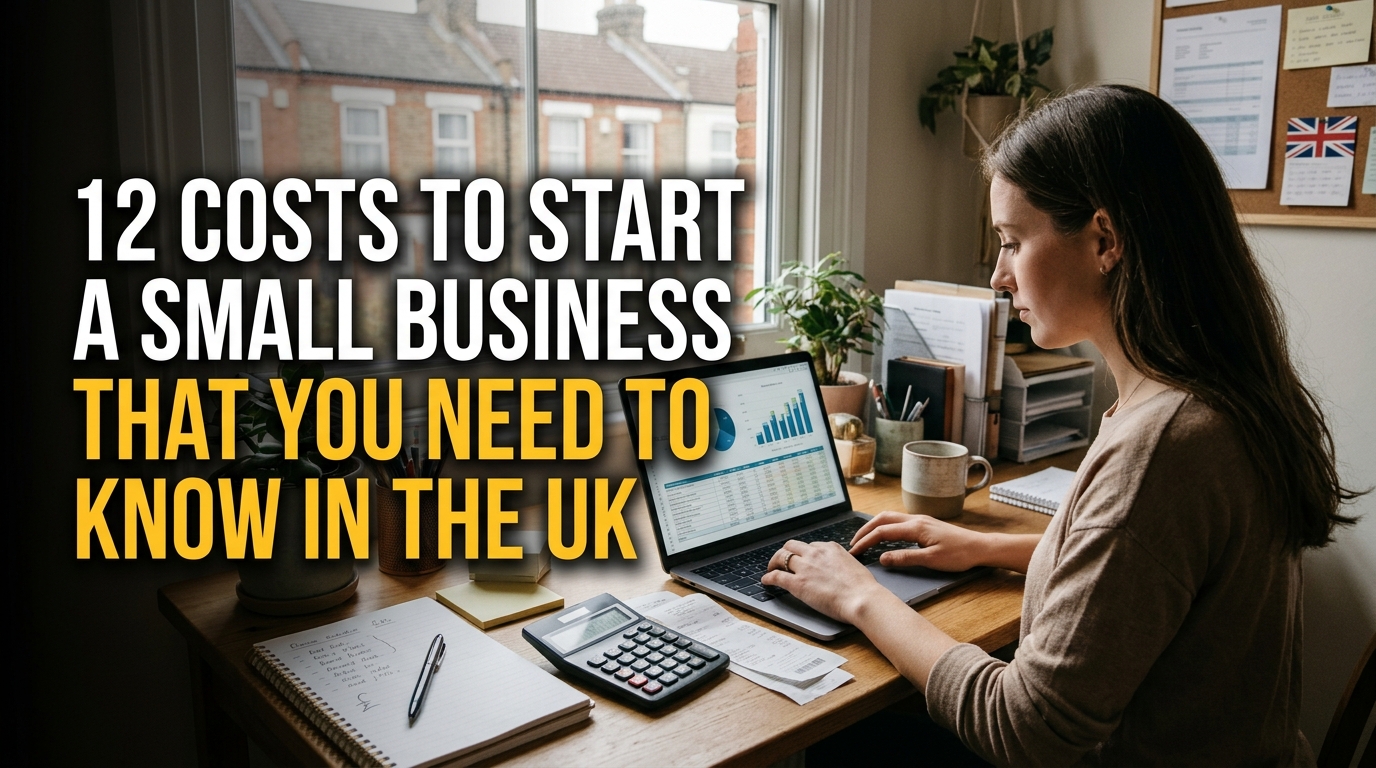
12 Costs to Start a Small Business That You NEED to Know in the UK
Explore 12 essential costs of starting a small business in the UK, from registration and rent to marketing, equipment and insurance, and learn how to budget.

Written by
Simon Wong
12 Costs to Start a Small Business That You NEED to Know in the UK
Starting a small business can be a thrilling and rewarding endeavour, but it is important to be aware of the costs involved. Whether you are starting a cafe, a consultancy firm, or an e-commerce business, there are various expenses that you need to factor in. In this blog, we will discuss 12 costs that you need to know when starting a small business in the UK.
- Business registration fees - You will need to register your company with Companies House, which will incur a registration fee.
- Legal fees - You may need to seek legal advice when drawing up contracts or protecting your intellectual property.
- Accounting fees - Hiring an accountant can help you manage your finances but it is an additional cost.
- Insurance - Business insurance is a must-have to protect your business and its finances.
- Rent and utilities - If you are renting a physical space, these expenses will form a significant part of your monthly overheads.
- Equipment and supplies - You will need to purchase the necessary equipment and supplies for your business operations.
- Marketing costs - Promoting your business will require investment in branding, advertising, and other marketing activities.
- Website development - In today's digital age, having an online presence is crucial and will require investment in website design and development.
- Software and technology - Depending on your business needs, you may need to invest in technology such as software, hardware and security.
- Permits and licences - Certain businesses require permits and licences to operate and these come at a cost.
- Training and development - Investing in employee training and development can help boost productivity and is often worth the cost.
- Miscellaneous expenses - There may be other costs you need to factor in, such as travel expenses, professional memberships, and office furnishings.
Starting a small business can be a significant financial commitment, but being aware of the costs involved can help you plan and manage your finances effectively. With careful planning and budgeting, you can set your business up for success.
Below are the points we will be looking at as we discuss 12 Costs to Start a Small Business That You NEED to Know in the UK
- Initial Capital Requirements for a Small Business in the UK
- Legal and Financial Obligations for Starting a Small Business
- Cost Analysis for Rent and Utilities for Small Businesses in the UK
- Marketing Expenses Involved in Launching a Small Business
- Essential Equipment and Supplies That Affect Small Business Startup Costs
- Miscellaneous Expenses to Consider When Starting a Small Business in the UK
1. Initial Capital Requirements for a Small Business in the UK
Starting a small business in the UK requires a significant amount of initial capital. Depending on the type of business, you may need to plan for expenses such as registration fees, permits, licences, insurance premiums, and operational costs. You need to develop a solid business plan and forecast the resources required for funding. This can involve applying for startup loans, approaching investors, or crowdfunding. It is important to factor in all expenses, both one-time and recurring, to ensure that you have enough funds to successfully launch and sustain your business.
2. Legal and Financial Obligations for Starting a Small Business
Starting and running a business in the UK comes with a variety of legal and financial obligations. These may include registering your business with Companies House, registering for taxes, obtaining licences and permits, and complying with various regulations. You must also establish a reliable accounting system that enables you to meet tax deadlines and maintain accurate financial records. Seeking professional legal and financial advice before launching your business is recommended to ensure that you comply with all legal requirements and regulations.
 Experts available today
Talk to a real funding expert — not a bot
A real person reviews your business on the call and tells you which grants you qualify for and how much you could get.
- Your eligible grants, answered directly
- How much funding you can apply for
- Programmes open right now
3. Cost Analysis for Rent and Utilities for Small Businesses in the UK
The cost of renting an office, store, or industrial space and utilities is a significant expense for small businesses in the UK. While location and size of space is important, it is essential to consider additional factors such as proximity to suppliers and customers, accessibility, and neighbourhood demographics. Be prepared for the ongoing costs of rent, utilities, and other services, including security and maintenance. It is important to factor these expenses into your business plan and budget to ensure that your business can sustain itself financially.
4. Marketing Expenses Involved in Launching a Small Business
Marketing is a vital element in launching a small business. Without an effective marketing strategy in place, potential customers may not be aware of your new venture. The cost of marketing varies depending on the chosen strategy, ranging from traditional (such as flyers and print ads) to digital (such as social media campaigns and email marketing). Establishing a comprehensive marketing budget, identifying the target audience and monitoring the effectiveness of the strategy can help you maximise your return on investment.
5. Essential Equipment and Supplies That Affect Small Business Startup Costs
The equipment and supplies required for your small business depends on the industry and specific business model. Generally, businesses require basic office supplies such as desks, chairs and stationery, while others may require specialised equipment for production, service or delivery. You will need to budget for all equipment and supplies to ensure that you can afford to purchase or lease everything needed to launch your business. You may choose to opt for alternative financing options, such as leasing, to stretch your startup funds.
6. Miscellaneous Expenses to Consider When Starting a Small Business in the UK
Apart from the above-mentioned costs, there are other expenses to consider when launching a business in the UK, such as professional service fees (e.g. legal, accounting, web development), product development costs, travel expenses, and insurance premiums. These expenses may vary depending on your business type, size and stage of development. It is important to identify and budget for such miscellaneous expenses to avoid unexpected costs and challenges that could derail your business launch plan.
To conclude, starting a small business in the UK requires careful planning and budgeting to ensure that you have enough initial capital to cover all expenses. Some of the significant expenses to consider include legal and financial obligations, rent and utilities, marketing expenses, equipment and supplies, as well as miscellaneous expenses. By developing a solid business plan, seeking professional advice and identifying potential costs, you can increase your chances of launching a successful business venture in the UK.
Helpful resources to get you going in the right direction with your own business:
Use the Business Plan Builder Tool to develop your own business plan. And use the Funding Database to find all government funding options for your small business.
About Simon Wong
Simon is a funding expert at UK Startups who helps entrepreneurs discover and secure government grants, loans, and investment opportunities.