10 Essential Startup Expenses for Your New Small Business in the UK
Explore the essential costs of starting a small business in the UK, from registration and rent to insurance, marketing and equipment, and learn how to budget for success.

Written by
Olivia Chen
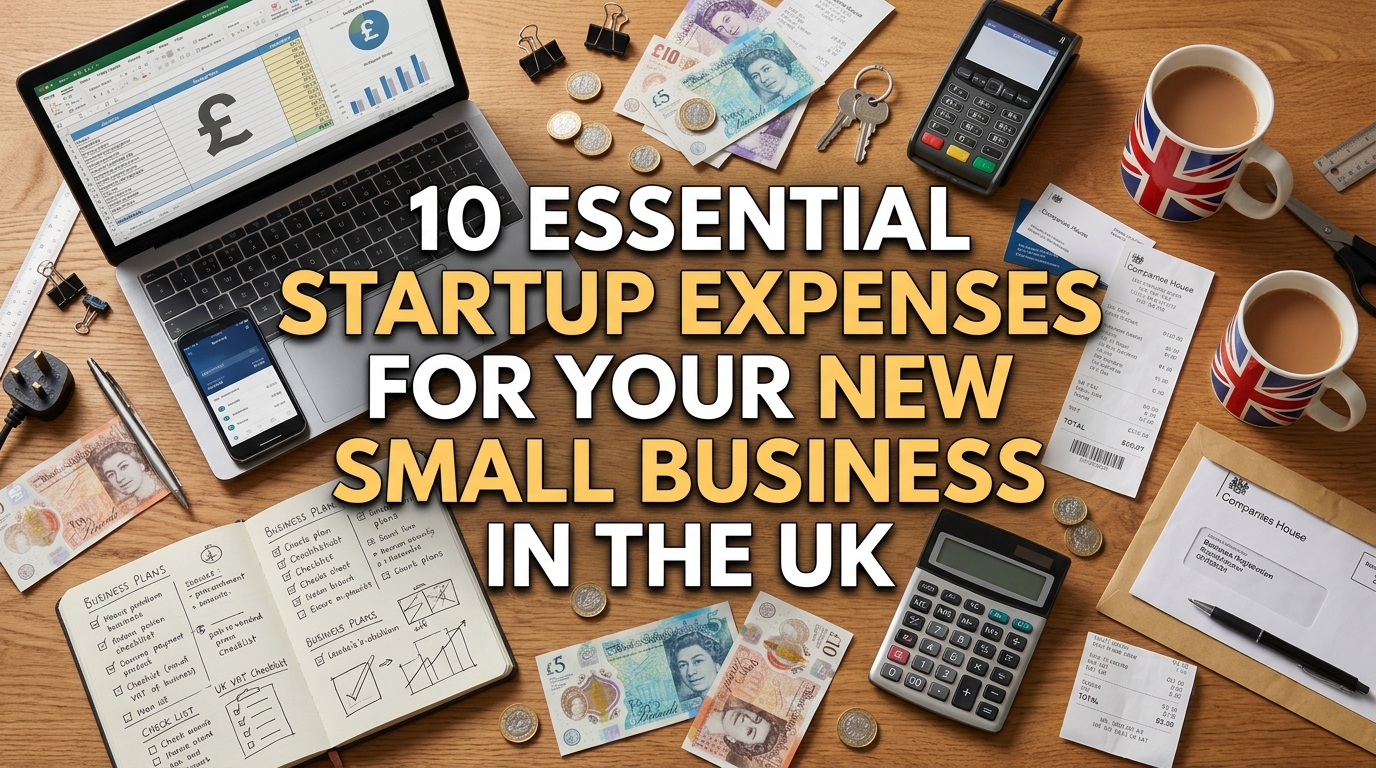
10 Essential Startup Expenses for Your New Small Business in the UK
Starting a new small business in the UK can be an exciting and challenging endeavour. One of the most crucial elements of any successful startup is managing finances effectively. It's important for new entrepreneurs to be aware of the essential expenses they'll need to cover as they get their business off the ground. In this blog, we'll outline 10 essential startup expenses for your new small business in the UK.
1. Business Registration Fees
When starting a new business, it's essential to register your company. You'll need to pay a registration fee to Companies House, which is currently £12 for online filings and £40 for paper filings.
2. Rent
If you're planning to operate your business from a physical location, you'll need to factor in rent. Depending on the location and size of the space, rent can range from £500 to £2000 per month.
3. Utilities
Along with rent, your new business will need to pay for utilities, such as electricity, gas, and water. These costs can vary depending on your business's size and location.
4. Insurance
Business insurance is a must-have for any small business in the UK. Depending on the type of business you're running, you may need to invest in public liability insurance or professional indemnity insurance.
5. Equipment and Supplies
Whether you're starting a retail store, restaurant, or office-based business, you'll need to invest in equipment and supplies. This could include computers, phones, furniture, and any other necessary tools required for your specific industry.
6. Marketing and Advertising
To get your business off the ground, you'll need to invest in marketing and advertising. This could include digital marketing, social media campaigns, and print ads.
7. Professional Fees
You may need to hire a lawyer or accountant to take care of legal and financial matters related to your business. These professionals will charge fees that can vary depending on the services required.
8. Employee Salaries
If you plan on hiring employees, you'll need to factor in salaries and associated costs such as National Insurance contributions and holiday pay.
9. Taxes
As a business owner, you'll need to pay taxes on your profits. Depending on your business's structure, you'll need to pay corporation tax or personal income tax.
10. Contingency Fund
Starting a new business can be unpredictable, so it's always a good idea to have a contingency fund to cover unexpected expenses. This fund could cover things such as an unexpected drop in sales or necessary repairs to equipment.
In conclusion, starting a new small business in the UK requires careful planning and financial management. By considering the essential expenses outlined in this blog, you can get a clearer idea of the upfront costs required for your new venture. With the right preparation, you'll be well on your way to building a successful and sustainable business.
Below are the points we will be looking at as we discuss 10 Essential Startup Expenses for Your New Small Business in the UK
- Registering Your Business: Essential Expenses for Small Businesses in the UK
- Essential Expenses for Renting a Business Location in the UK
- Cutting Down Business Utility Expenses: Essential Tips for Startups in the UK
- Insurance Costs for UK Small Businesses: What to Consider
- Equipment and Supplies: Essential Startup Expenses for Small Businesses in the UK
- Getting Your Business Noticed: Marketing and Advertising Essentials for UK Startups
1. Registering Your Business: Essential Expenses for Small Businesses in the UK
If you're setting up a small business in the UK, there are certain expenses you need to be aware of when it comes to registering your company. These include registering your company name, choosing a business structure, and registering for taxes. You'll also need to think about opening a business bank account and setting up your accounting systems. Legal fees are another expense you may need to consider, especially if you require professional guidance on any aspect of setting up your business.
 Experts available today
Talk to a real funding expert — not a bot
A real person reviews your business on the call and tells you which grants you qualify for and how much you could get.
- Your eligible grants, answered directly
- How much funding you can apply for
- Programmes open right now
2. Essential Expenses for Renting a Business Location in the UK
Renting a business location in the UK is a significant expense for small businesses. Aside from the monthly rent, you'll need to factor in additional expenses such as utilities, internet, phone, and security systems. You'll also need to consider any modifications you may need to make to the space before you can start trading, such as decorating or installing shelving.
3. Cutting Down Business Utility Expenses: Essential Tips for Startups in the UK
Utility expenses can be a significant drain on your finances as a small business owner in the UK. There are several ways you can cut down on these bills, including comparing energy suppliers to find the best deals, switching to energy-efficient bulbs, and implementing policies to reduce water usage. You may also be able to make savings by consolidating your phone and internet services.
4. Insurance Costs for UK Small Businesses: What to Consider
Insurance is an essential expense for small businesses in the UK, but the amount you pay will depend on the type of company you run and the risks associated with your industry. Some of the different types of insurance you may need to consider include public liability, professional indemnity, and employer's liability insurance. You should consult with an insurance specialist to work out which policies are essential for your business.
5. Equipment and Supplies: Essential Startup Expenses for Small Businesses in the UK
Starting a small business in the UK means investing in equipment and supplies, which can be a significant expense. This may include computers, printers, inventory, and office furniture, depending on the nature of your business. You should shop around for the best deals on these items and consider buying second-hand or refurbished equipment to save money.
6. Getting Your Business Noticed: Marketing and Advertising Essentials for UK Startups
For your small business to thrive, you need to get noticed by potential customers. This means investing in marketing and advertising. There are various ways you can promote your business, from print adverts to social media campaigns. You should also consider attending networking events and industry conferences to increase your exposure. Creating a marketing budget and building a plan that targets your ideal customers is a great way to make the most of your advertising spend.
In conclusion, starting a small business in the UK requires careful consideration of the various expenses involved. From registering your company and renting a business location to cutting down utility expenses and investing in equipment and supplies, there are many costs to bear in mind. Additionally, insurance and marketing expenses are essential factors to keep in mind for the long-term success of your company. By being mindful of these expenses and budgeting accordingly, you can set your business up for success and make sure that your finances remain stable even during the early stages of growth.
Helpful resources to get you going in the right direction with your own business:
Use the Business Plan Builder Tool to develop your own business plan. And use the Funding Database to find all government funding options for your small business.
About Olivia Chen
Olivia is a business expert at UK Startups who guides entrepreneurs through proven growth strategies and sound operational practices.